Digital Transformation Services That Bring Control, Security, and Scalable Growth

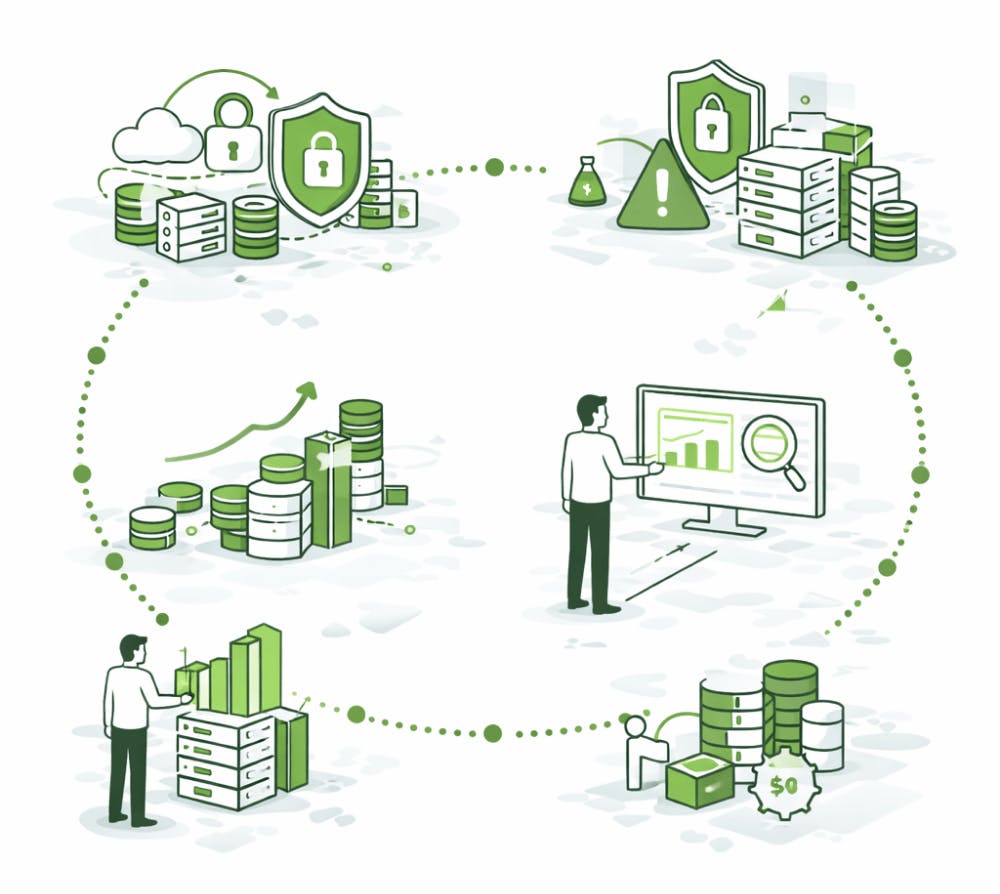
Digital transformation services help businesses restructure how technology, data, and workflows operate together. The goal isn’t to replace everything, it’s to create a secure, scalable environment that supports growth, delivered in a structured, phased way that reduces risk.

Digital Transformation vs Traditional IT vs Managed Services

Approach Focus Outcome Limitation
Traditional IT Support Fix issues Keeps systems running Reactive, no long-term alignment
Managed IT Services Maintain and support Stability and uptime Limited structural improvement
Digital Transformation Align your technology with how your business actually runs Build a more secure, scalable environment Done in phases to avoid disruption

What Digital Transformation Actually Means (and Why It Matters Now)

Digital transformation isn’t about chasing new tools or jumping on trends. Most companies already have plenty of technology.
The problem is it doesn’t all work together.
Over time, systems get layered in. Processes get patched. Teams create workarounds just to keep things moving. Eventually, what used to work starts slowing the business down.
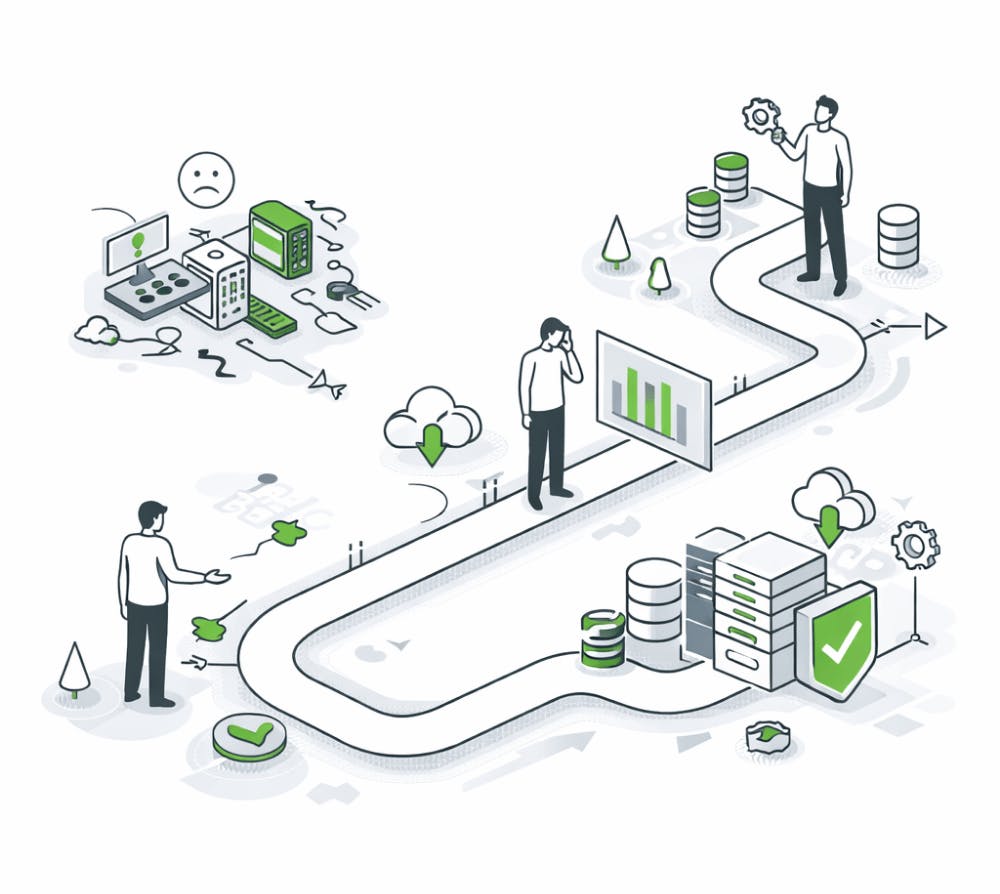
Transformation is about fixing the foundation, so everything runs cleaner, faster, and with less risk.
What Digital Transformation Actually Means

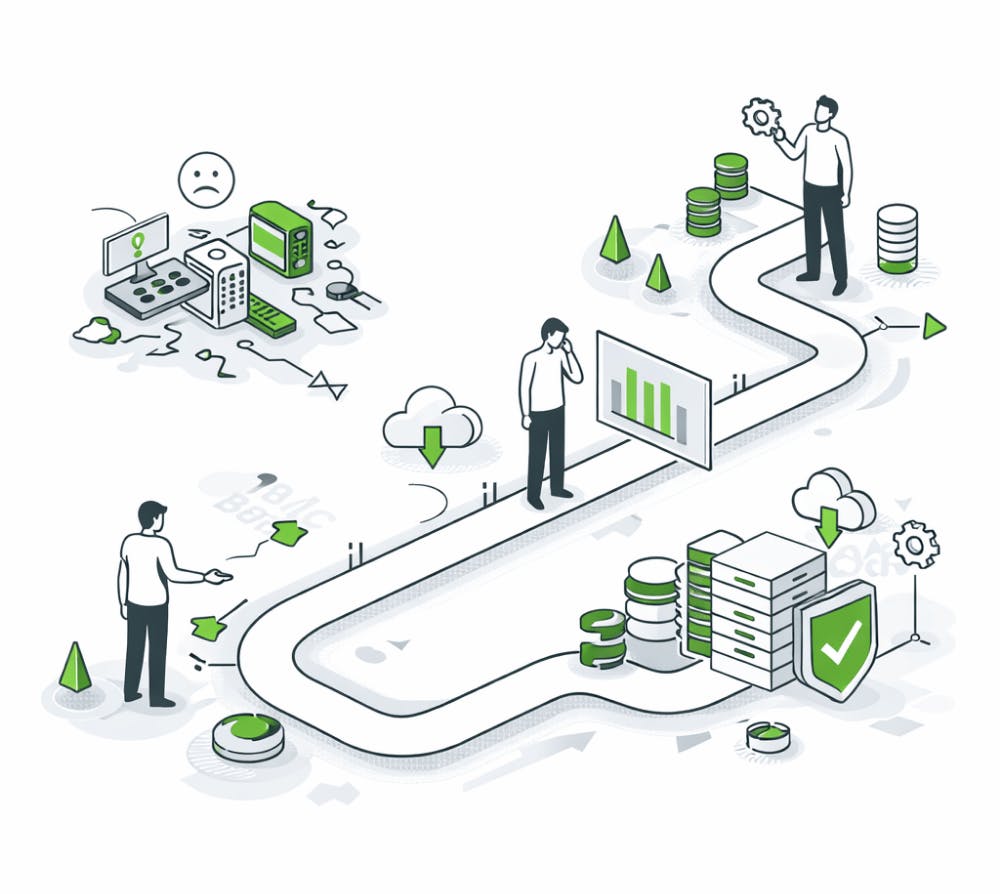
Before vs After Digital Transformation

Before After
Disconnected systems Integrated platforms
Scattered data Controlled, centralized data
Reactive IT Strategic IT leadership
Manual workflows Automated processes
Limited visibility Real-time insight
Inconsistent security Standardized protection

Why Companies Turn to Digital Transformation

This usually doesn’t start as a strategy initiative. It starts as pressure.

  • Growth is creating complexity across systems and teams
  • Sensitive data is spread across multiple platforms
  • Security risks are increasing and harder to manage
  • Teams rely on manual workarounds to operate
  • Leadership lacks clear, real-time visibility
  • IT is reacting to issues instead of driving outcomes

At a certain point, maintaining the current environment becomes riskier than improving it.

Why Companies Turn to Digital Transformation

Your Data Is Your Biggest Risk, and Your Biggest Asset.

Most companies don’t have a clean answer to a simple question.
Where is our sensitive data, and who has access to it?
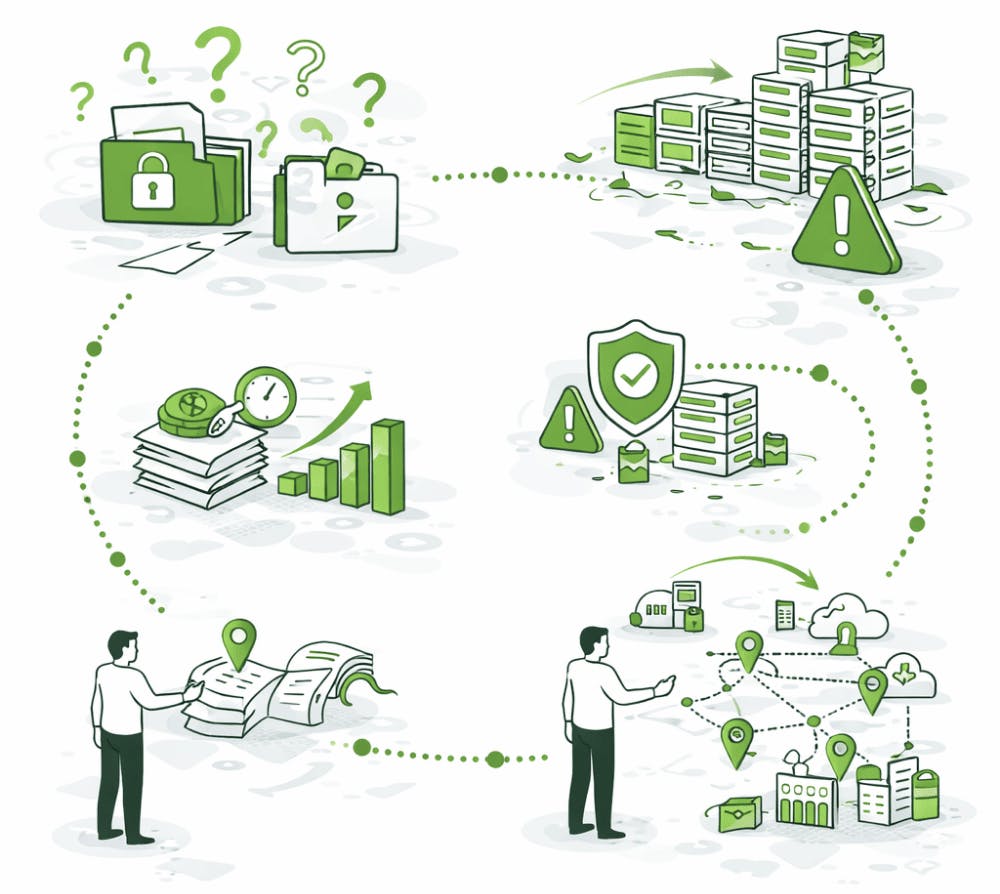
It’s spread across systems, locations, and teams without consistent control or visibility. That’s where the risk comes from.
Digital transformation brings structure to that. It defines where data lives, how it moves, who can access it, and how it’s protected.

  • Centralized and governed data environments
  • Role-based access controls across systems
  • Secure, tested backup and recovery
  • Continuous monitoring and threat detection
  • Structured, compliance-aligned data handling

This isn’t just about locking things down. It’s about knowing your data is where it should be, accessible to the right people, and protected in a way you can stand behind if something happens.

Supporting Multi-Location and Remote Teams Without Losing Control

Most businesses aren’t centralized anymore. You’ve got multiple offices, remote employees, and systems spread across environments.
That’s manageable until it isn’t.

  • Different locations using different processes
  • Inconsistent security policies
  • Data stored across multiple environments
  • Limited visibility across the organization

Transformation brings everything back into alignment. Same systems. Same standards. Same level of control- across the entire organization.

  • Standardized systems and workflows across all locations
  • Centralized data with controlled access
  • Secure, consistent remote access for all users
  • Unified security policies across the organization
  • Real-time visibility across teams and locations

The goal is simple: operate like a single, coordinated business, no matter how many locations you have.

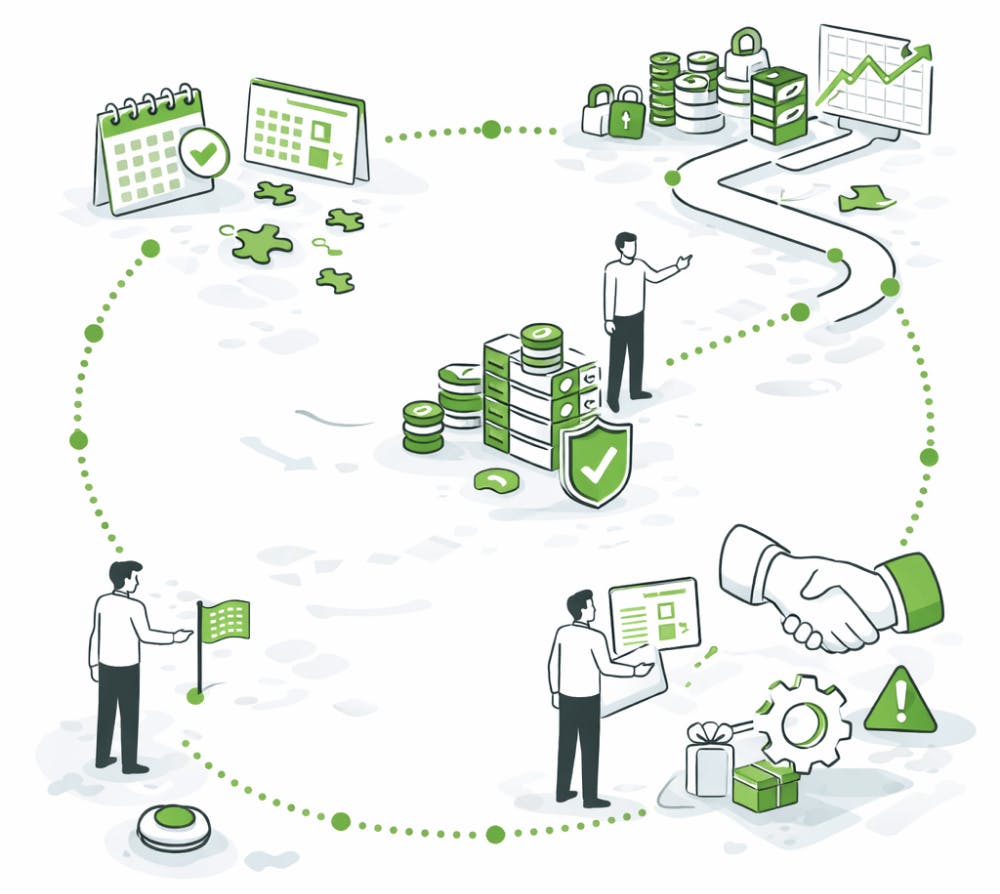
Our Approach to Digital Transformation

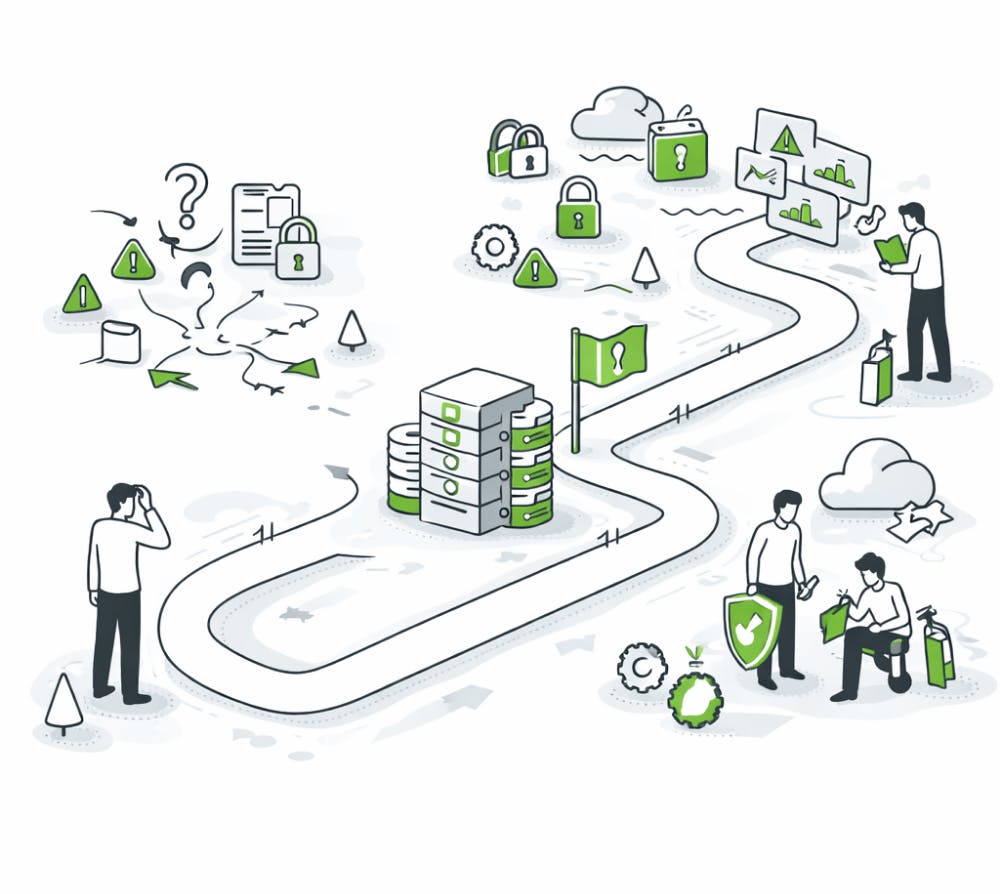
This isn’t something you flip on overnight. And it shouldn’t be. The goal is to move forward in a way that makes sense for your business, without creating disruption along the way.

Assessment

  • Understand how your systems, workflows, and data are actually being used.
  • Identify where risk, inefficiency, and gaps exist.

Roadmap

  • Build a clear, phased plan tied to business priorities.
  • Focus on what needs to happen first—and what can follow.

Execution

  • Make improvements in a controlled way.
  • Standardize systems and connect what’s currently fragmented.

Continuous Optimization

  • Keep things aligned as the business evolves.
  • Adjust, refine, and improve over time.

This is how you make real progress without breaking what’s already working.

Core Areas of Transformation

Digital transformation touches everything, but it usually centers around a few key areas:

  • Cloud and infrastructure
  • Cybersecurity and data protection
  • Process automation and workflow improvement
  • Reporting and visibility
  • End-user experience

These aren’t separate tracks. They’re connected.

If you improve one without addressing the others, you usually end up adding more complexity instead of reducing it.

Core Areas of Transformation

Why Digital Transformation Requires More Than a Project

This is where a lot of companies get stuck.
They treat transformation like a project with a start and end date.
But the business doesn’t stand still. Neither do your systems, your risks, or your data.
If there’s no ongoing alignment, things drift. Workarounds come back. Complexity builds again.
Transformation works when it’s maintained- when there’s continued ownership, visibility, and adjustment as the business grows.
That’s what keeps everything working the way it should.

Why Digital Transformation Requires More Than a Project

What You Can Expect

  • Greater control over data and access
  • Reduced operational and security risk
  • Scalable infrastructure that supports growth
  • Improved visibility for leadership

More efficient, standardized operations

What You Can Expect

Is It Time to Start Digital Transformation?

  • You’re unsure where sensitive data is stored
  • Your systems don’t scale with growth
  • Security feels inconsistent or reactive
  • Reporting is slow, manual, or unreliable
  • Managing multiple locations is becoming complex

If any of these sound familiar, it’s usually a sign the current environment isn’t sustainable long-term.

Is It Time to Start Digital Transformation

Take Control of Your Technology, Data, and Growth

Digital transformation doesn’t need to be disruptive. With the right approach, you can simplify your environment, reduce risk, and build a foundation that supports long-term growth.

Talk to Consilien

Our Clients' Success

FAQ

What are digital transformation services?


Digital transformation services help align technology, data, and processes with business goals to improve efficiency, security, and scalability.