IT consulting services give a company senior technology guidance without a full-time IT executive on payroll. A consultant reviews what you are running, builds a roadmap tied to business goals, and stays accountable for whether it works. At Consilien, the same team then executes the plan. Advice you cannot act on is just expensive opinion.
IT Consulting Services
Senior technology strategy for companies that run on IT but do not have an IT executive to run it. The roadmap, plus the team that builds it.
Your technology got bought one decision at a time
Nobody plans it this way. A file server here. A cloud app somebody in accounting signed up for. Security tools added after a scare, then never tuned. Give it two years and you are running an environment that nobody designed, nobody documented, nobody wrote down the passwords for, and nobody can honestly say is secure, assembled entirely out of decisions that each made sense on the day they were made.
Then something forces the issue. A customer sends a security questionnaire. An auditor picks a date. Your one IT person gives notice. Suddenly the person who has to answer for all of it is you, and the honest answer is that you do not know.
That is the gap IT consulting fills. Not more tools. Someone senior who owns the plan, tells you what to fix first, and sticks around to see it through, sitting a layer above the day-to-day managed IT that keeps the lights on.
Global IT spending will hit 6.37 trillion dollars in 2026, up 14.2% on the year, by Gartner's July forecast, which means more money is moving through technology decisions at the average company than at any point in the history of the category, while the share of those decisions made by someone holding an actual roadmap keeps shrinking. Nobody's planning budget grew 14%.
What IT consulting services actually are
IT consulting services are senior, outside technology guidance that helps a company decide what to invest in, what to fix first, and how to keep systems secure, without hiring a full-time IT director. A consultant assesses the current environment, builds a roadmap tied to business goals, and stays accountable for the outcome.
That last clause is where most of the market falls apart.
The split nobody warns you about until you have paid for it
Ask around and you will hear the same distinction from the firms themselves. Consulting is one business. Delivery is another. A consulting firm sells you a methodology and a deliverable. A managed services provider sells you tickets and uptime. The buying guides that rank for this term say it plainly, and they are right.
So you hire the consultant. You get a roadmap. Good one, probably. Then the engagement ends on schedule, the invoice clears, and the roadmap goes into a shared folder where it sits untouched for a year and a half, because executing any of it requires a team, a budget cycle, and a project manager that the engagement never included.
Or you hire the MSP. They keep the lights on. Nobody is setting direction, so in 18 months you are back where you started with newer hardware.
One thing we see a lot. Companies think they bought strategy. They bought a document. The plan was never the hard part.
Consilien runs both sides out of one team. The vCIO who builds your roadmap, a part-time technology executive assigned to your account, works alongside the senior engineers who implement it, the security analysts who monitor environments around the clock for clients who add that service, and the compliance staff who prepare you for whatever framework your customers are asking about, which means the person who set the direction is still in the room, and still answerable, on the day something does not go to plan.
Not a philosophy. An org chart.
What a Consilien engagement covers
Consulting only counts if it turns into decisions and finished work. Seven workstreams, and you will not need all of them.
Know which option you actually need
Three ways companies handle this. The cost of picking wrong shows up 18 months later.
For a company between 20 and 1000 users, the first column is almost always right. You get senior planning plus a team to execute for less than one IT director's salary, and it flexes as you grow.
How the engagement actually starts
No mystery, no six-week discovery invoice. Six steps, and the time each one takes is published because prospects ask and a vague answer is its own kind of answer.
Better alignment upfront means fewer mid-contract surprises. That is the entire reason for the structure.
The questions that come up before anyone signs
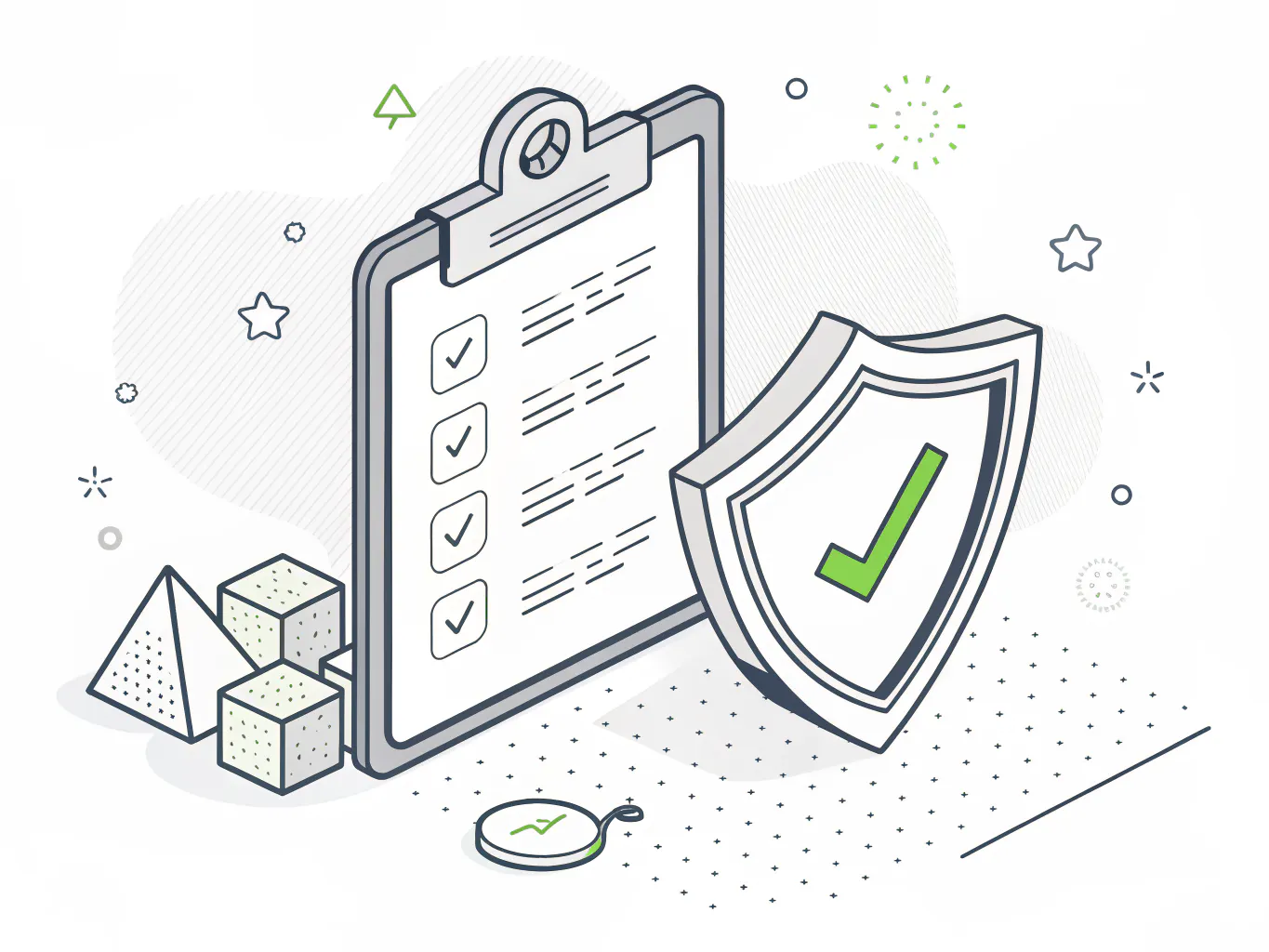
CIMS, and why your environment keeps drifting
Every company we assess has drifted. Standards got set once, usually well, and then forty-odd exceptions piled up on top of them over five years because each individual exception made sense during the week somebody needed it, and no one was tracking the cumulative distance between the standard and the running environment. Nobody tracks the drift. So nobody can price the risk.
CIMS is Consilien's IT maturity standard. It defines a target state across security, performance, compliance, governance, resilience, and operational expectations, then measures your environment against it. You get a current-state to target-state roadmap, a prioritized remediation path, and a way to see whether you are gaining ground or losing it.
We have not found a direct equivalent at a competing firm. Maturity models exist, plenty of them, and plenty of providers can name one. Applying a single model consistently across every client environment, scoring each one against it, and then putting those scores in front of the client every quarter whether they flatter the provider or not, is the part that rarely survives contact with a busy service desk.
Strong fit if you are:
- A company between 20 and 1000 users that depends on technology daily and cannot justify a full-time IT director.
- Growing, merging, opening a location, or rolling out a major system, and you would rather have a plan than improvise.
- Facing CMMC, NIST, SOC 2, PCI, or a customer security questionnaire that somebody senior needs to own.
- Done with break-fix surprises and an office manager carrying IT on the side.
Probably not the right fit if you:
- Already have a CIO and a functioning internal IT leadership bench. You need hands, not direction, and that is a staffing conversation.
- Run under 20 users. Co-managed support or a help desk arrangement usually costs less than what is described here.
- Want a template and no follow-through. This is a working relationship, not a download.
- Operate in healthcare delivery. Consilien does not serve providers, and a firm without that footing is not the right one to guide your obligations.
Industries where the plan differs
A consultant who knows your sector beats a generalist working from a template, mostly because the generalist spends the first two months learning the operational constraints you already understand, and bills you for the education. Six verticals where Consilien works from playbooks rather than opinions.
What it costs to keep putting this off
IBM's 2026 Cost of a Data Breach Report puts the global average at 4.99 million dollars. In the United States it is 11.5 million, more than double. Mean time to identify and contain reached 247 days.
That is eight months of an intruder in an environment nobody was watching closely, at a company that almost certainly believed its security was fine. Eight months of not knowing is its own kind of failure.
Same pattern shows up with no attacker involved at all. Overlapping licenses nobody audits. A backup that has been failing silently since March. A cloud migration half finished, quietly paying for both environments. None of it announces itself, none of it triggers an alert, and every one of those line items would have surfaced inside the first 30 days of an assessment at a firm that runs one, which is the unglamorous argument for having somebody senior look at the whole picture on a schedule rather than after the fact.
Common questions about IT consulting services
What are IT consulting services?
Assessments, a roadmap, security and compliance direction, budgeting, and project management, delivered by someone senior from outside the company and scaled to a business that cannot justify a full-time IT executive. The consultant decides what gets fixed and in what order. At Consilien the same team then executes it.
Get the plan before the audit, the outage, or the resignation picks the timing for you
Every week without one, decisions are still getting made. Just not by anyone looking at the whole picture.