Protecting Intellectual Property in Electronics Manufacturing: An IT Perspective
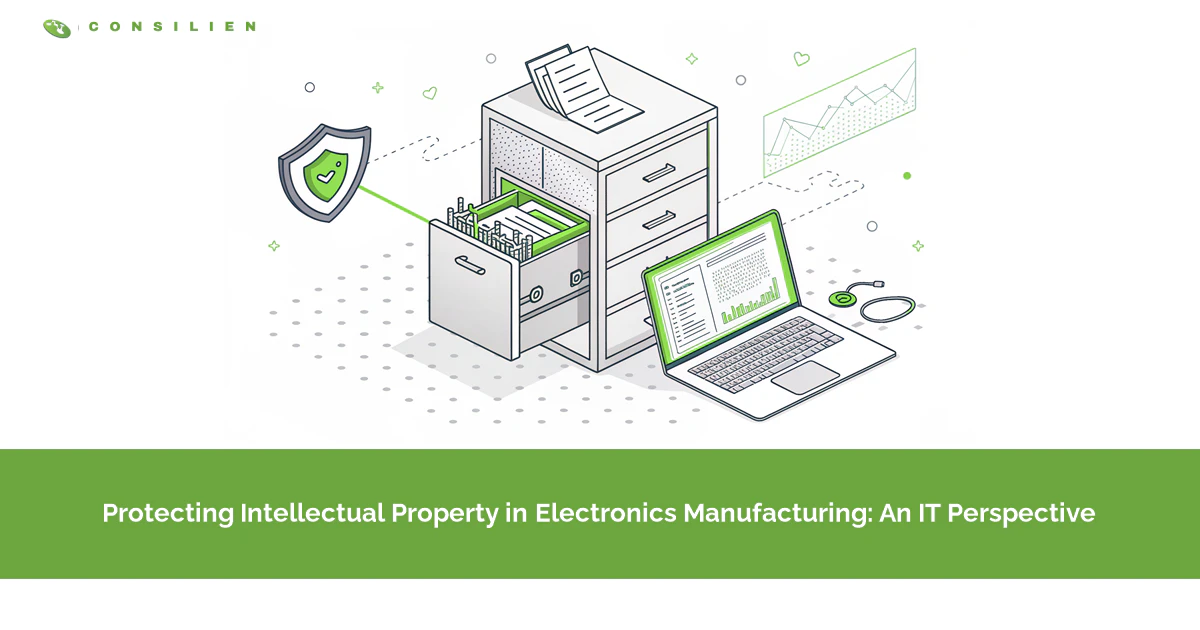
Intellectual property in electronics manufacturing lives in Gerber files, BOMs, test procedures, process recipes, and firmware. Protecting it requires more than perimeter security. It requires access controls that track who touches design data, network segmentation that keeps production IP separate from general business traffic, data loss prevention that can recognize engineering files, and compliance-ready governance for ITAR, CMMC, and trade secret obligations. This post covers where IP actually leaks, who's taking it, and what the IT infrastructure needs to do about it.
Table of Contents
Your Competitive Advantage Is a File on Someone's Laptop
Somewhere in your electronics manufacturing operation, there's an engineer with a laptop that contains the complete Gerber files for your highest-margin product. The BOM with your supplier pricing. The test fixture design that took 6 months to develop. The process recipe that makes your yields 8% higher than your closest competitor's.
The IP inside an electronics manufacturer isn't abstract. It's specific, portable, and extremely valuable. A PCB design file. A semiconductor process recipe. Firmware source code. A validated test procedure that took 18 months of iteration. The thing that separates a $200M electronics company from a commodity contract manufacturer is usually a collection of files that could fit on a USB drive.
IBM's 2026 X-Force Threat Intelligence Index reported that 40% of cyberattacks on manufacturers involved IP theft. Not ransomware. Not disruption. Theft of the designs and data that make the company worth attacking in the first place. And the Mandiant 2023 survey found 51% of U.S. companies reported experiencing cybersecurity incidents related to IP theft.
The Three Paths IP Leaves an Electronics Manufacturer
IP doesn't walk out the front door with a sign on it. It leaves through predictable channels that most IT environments aren't watching closely enough.

Path 1: External attackers who come for the data, not the disruption.
Nation-state actors targeting semiconductor and electronics IP isn't theoretical. It's documented. In July 2025, Taiwan's National Communications and Cyber Security Center confirmed that China-backed APT41 infiltrated at least 6 semiconductor organizations, including chip designers, foundries, and equipment makers. Proofpoint's research identified 3 distinct Chinese state-sponsored threat groups conducting coordinated espionage campaigns against Taiwanese semiconductor companies between March and June 2025.
The pattern is IP-centric espionage. Not ransomware. Not disruption. Long dwell times, quiet exfiltration, and persistence that lasts months. Mandiant's 2025 data showed the median dwell time for nation-state intrusions targeting defense industrial base contractors in Asia-Pacific was 187 days. By the time you detect it, they've already cataloged and extracted what they wanted.
For electronics manufacturers in the U.S., especially those handling ITAR-controlled or defense-adjacent designs, the threat model includes state-sponsored actors with dedicated teams, long timelines, and specific shopping lists. Your Gerber files for a defense PCB assembly are on somebody's target list. That's the reality.
Path 2: Insiders who take what they helped build.
The Ponemon Institute's 2025 data found that 27% of insider threat incidents involved malicious insiders, with credential theft making up another 20%. In the Intel case, a former employee downloaded approximately 18,000 sensitive files before termination. Intel's DLP tools caught one attempt but the employee used a different device to get the data out.
In electronics manufacturing, the risk is concentrated around engineers and technical staff who work directly with design files, process data, and test procedures. They have legitimate access to the IP because they need it to do their jobs. The line between normal work and exfiltration is a USB drive, a personal cloud account, or a forwarded email with a ZIP attachment.
Cyberhaven's data shows a 720% surge in data exfiltration activity in the 24 hours before a layoff. That number should inform how your company handles terminations in engineering and R&D.
Path 3: Supply chain exposure that's built into how electronics manufacturing works.
You send Gerber files to your PCB fabricator. BOMs to your component distributor. Test specifications to your contract manufacturer. Assembly instructions to your EMS partner. Every file you share to get a product built is a file that exists outside your environment. Accuris research from 2026 found 41% of electronics industry professionals lack visibility into supplier country of origin and fabrication locations.
That's not a fixable problem. Contract manufacturing requires file sharing. The IT question is how you share, with whom, under what controls, and with what level of tracking.
What IT Infrastructure Needs to Do About It
This isn't a policy problem. Policies don't stop exfiltration. Technical controls do.
Access controls that match the sensitivity of the data.
Not everyone needs access to everything. A production operator doesn't need Gerber files. A finance analyst doesn't need BOM supplier pricing. An equipment maintenance contractor doesn't need test procedure documentation.
Role-based access control scoped to actual job functions, with quarterly reviews, is the starting point. For ITAR-controlled data, access must be restricted to U.S. persons with verified citizenship, enforced technically, not just in a policy document. The cost of getting this wrong is $1,271,078 per ITAR violation, according to the Export Compliance Training Institute.
Data loss prevention that actually understands engineering files.
Here's the gap nobody talks about enough. Legacy DLP tools scan file content for patterns, credit card numbers, social security numbers, specific text strings. A Gerber file doesn't contain recognizable text patterns. A BOM is a spreadsheet that looks like any other spreadsheet. A process recipe is a proprietary format that no content scanner knows how to flag.
Cyberhaven's 2026 analysis of manufacturing DLP highlighted this problem directly. The file your company needs to protect, a proprietary design with no text-scannable signature, is the one legacy DLP can't see. Effective DLP for electronics manufacturing needs to track files by origin and movement, not just content. A file that came from the CAD system, moved to an engineering workstation, and is now being uploaded to a personal Dropbox should trigger an alert regardless of what's inside it.
Network segmentation that separates IP from general traffic.
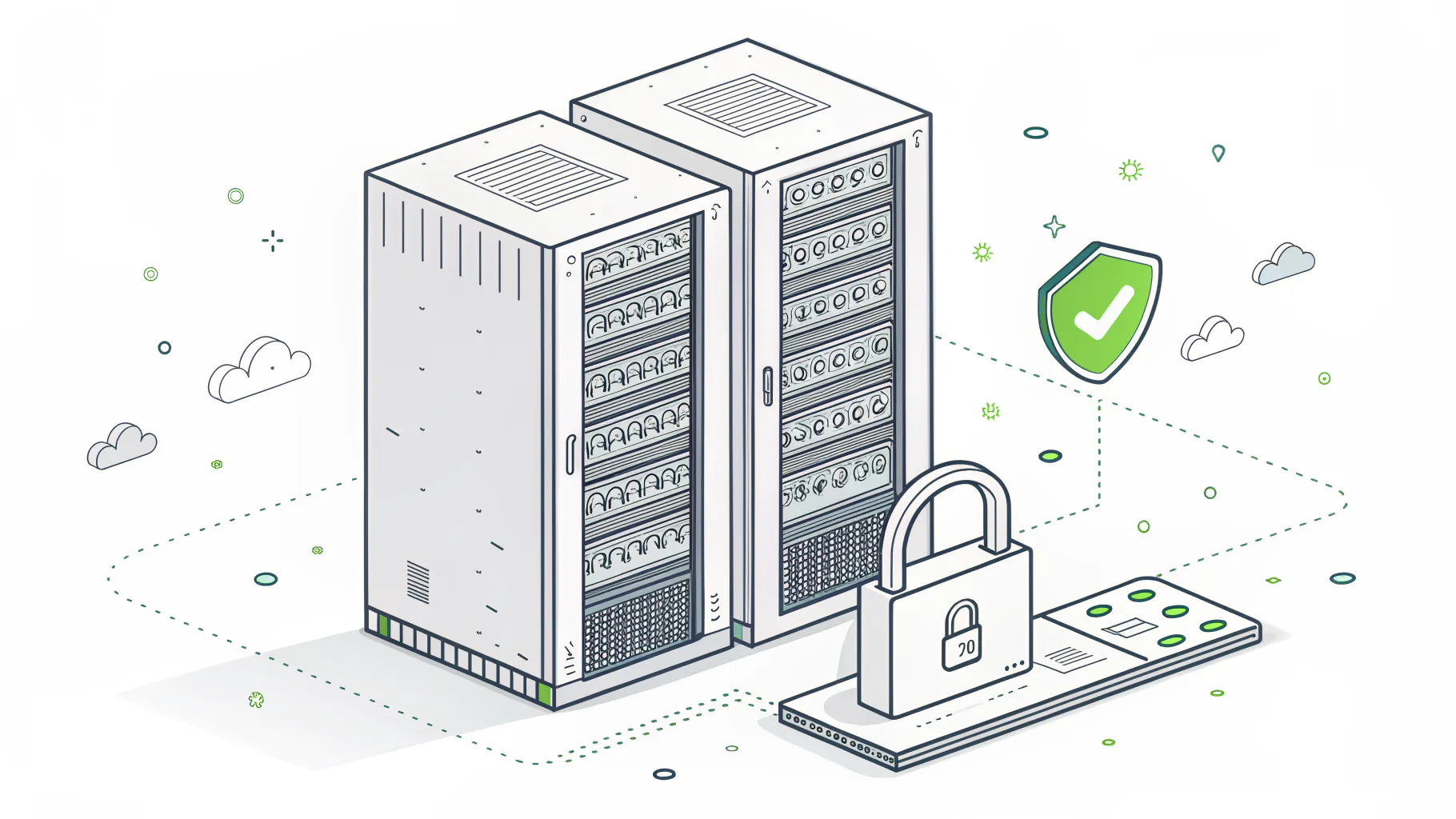
Design files, test data, and process recipes should live on network segments with restricted access, logging, and monitoring. Not on the same flat network as the guest Wi-Fi and the break room smart TV. The OT vs IT security architecture we described in a separate post applies here too, but the IP protection angle adds another dimension. The production network needs availability. The design network needs confidentiality. Both need integrity. But the priority weighting is different, and the segmentation architecture should reflect that.
Encryption at rest and in transit for design data.
Gerber files on an engineer's laptop should be encrypted. Design data in the PLM system should be encrypted. Files transmitted to contract manufacturers should go through encrypted, auditable channels, not email attachments. For ITAR-controlled environments, encryption of CUI at rest and in transit is a NIST SP 800-171 requirement, not a nice-to-have.
Endpoint controls that prevent casual exfiltration.
USB port restrictions. Cloud storage upload monitoring. Email attachment scanning. Print controls on sensitive documents. None of these are complicated. All of them get skipped because they create friction for engineering teams. The conversation with leadership is about which friction is worse, the 30-second inconvenience of using an approved file transfer method, or the competitive damage of a design package appearing at a competitor's contract manufacturer in Shenzhen.
The Compliance Overlay
IP protection and compliance requirements overlap heavily for electronics manufacturers in regulated supply chains.
ITAR controls who can access defense-related technical data. Not just external sharing. Internal access by non-U.S. persons without authorization is a violation, even if nobody left the building with a file.
NIST SP 800-171 requires encryption, access control, audit logging, and media protection for CUI. These controls directly protect the IP that constitutes or supports CUI.
CMMC adds third-party assessment of those controls. Compliance readiness means your IP protection controls are actually implemented and auditable, not just documented.
Trade secret law requires companies to demonstrate "reasonable measures" to protect confidential information. If your design files are accessible to everyone in the company with no access controls, no encryption, and no monitoring, you've undermined your own trade secret protection.
The overlap works in your favor if you build it intentionally. A well-designed vCISO program aligns IP protection controls with compliance requirements so you're not building two separate systems.
What a Practical IP Protection Program Looks Like
It's not a single product purchase. It's a combination of technical controls, process changes, and governance.
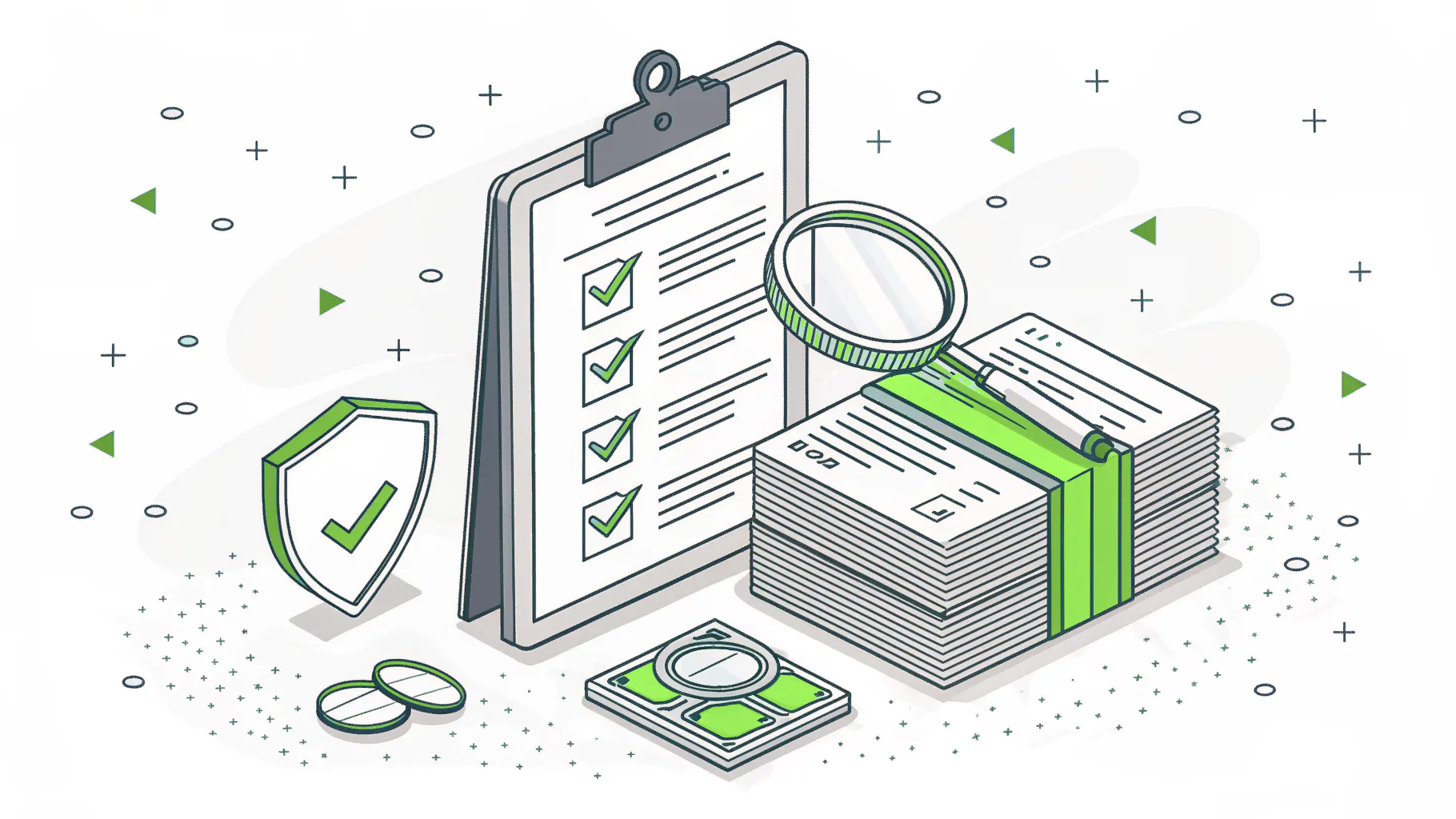
Start with a data classification exercise. What files constitute your core IP? Where do they live? Who has access? How do they move through your organization and to external partners? You can't protect what you haven't mapped.
Layer access controls on top of that classification. Identity governance tied to roles, with quarterly reviews, automated deprovisioning, and special controls for departing employees.
Deploy DLP that tracks file lineage, not just content patterns. Monitor how engineering files move across endpoints, cloud storage, email, and removable media.
Segment the network so design data lives in controlled zones with restricted access and logging.
Build the compliance documentation as a byproduct of the controls, not as a separate exercise. The access logs, encryption status, and monitoring reports that protect your IP are the same evidence an auditor or assessor needs.
Review the program quarterly. Not annually. IP risk changes with every new product design, every new contract manufacturer, every employee departure. The program has to keep up.
Where the Real Risk Lives
The biggest IP risk in electronics manufacturing usually isn't the sophisticated nation-state actor. It's the engineer who copies design files to a personal laptop before leaving for a competitor. It's the contract manufacturer who doesn't restrict access to your Gerber files on their internal network. It's the vendor support technician with a persistent VPN connection to your engineering VLAN.
Those are fixable problems. They just require someone to own them.