ISO 27001 vs. NIST vs. CMMC: How to Choose the Right Cybersecurity Framework for Your Business
ISO 27001, NIST, and CMMC are various cybersecurity frameworks, and all these frameworks are designed around the various realities of our businesses. ISO 27001 is a global standard recognized and certifiable, which focuses on developing a formal information management system. NIST is a very flexible and risk-based cybersecurity framework, which is often used across various U.S. industry segments. The CMMC is a mandated certification model which is primarily adopted across the Department of Defense supply chain.
Table of Contents

What Are CyberSecurity Compliance Frameworks?
Cybersecurity frameworks are a system of controls and practices that are designed and deployed in an organized fashion, which assist organizations in managing risks, safeguarding their resources, and ensuring due diligence. They are either guidance-based or certifiable, which allows organizations a certain degree of flexibility within their operation.
While for an executive, frameworks are not about theory; they’re about outcome, or reducing risk, eliminating audit headaches, improving customer relations, and avoiding surprises during an incident.
ISO 27001 Explained
What the Truth Is About ISO 27001
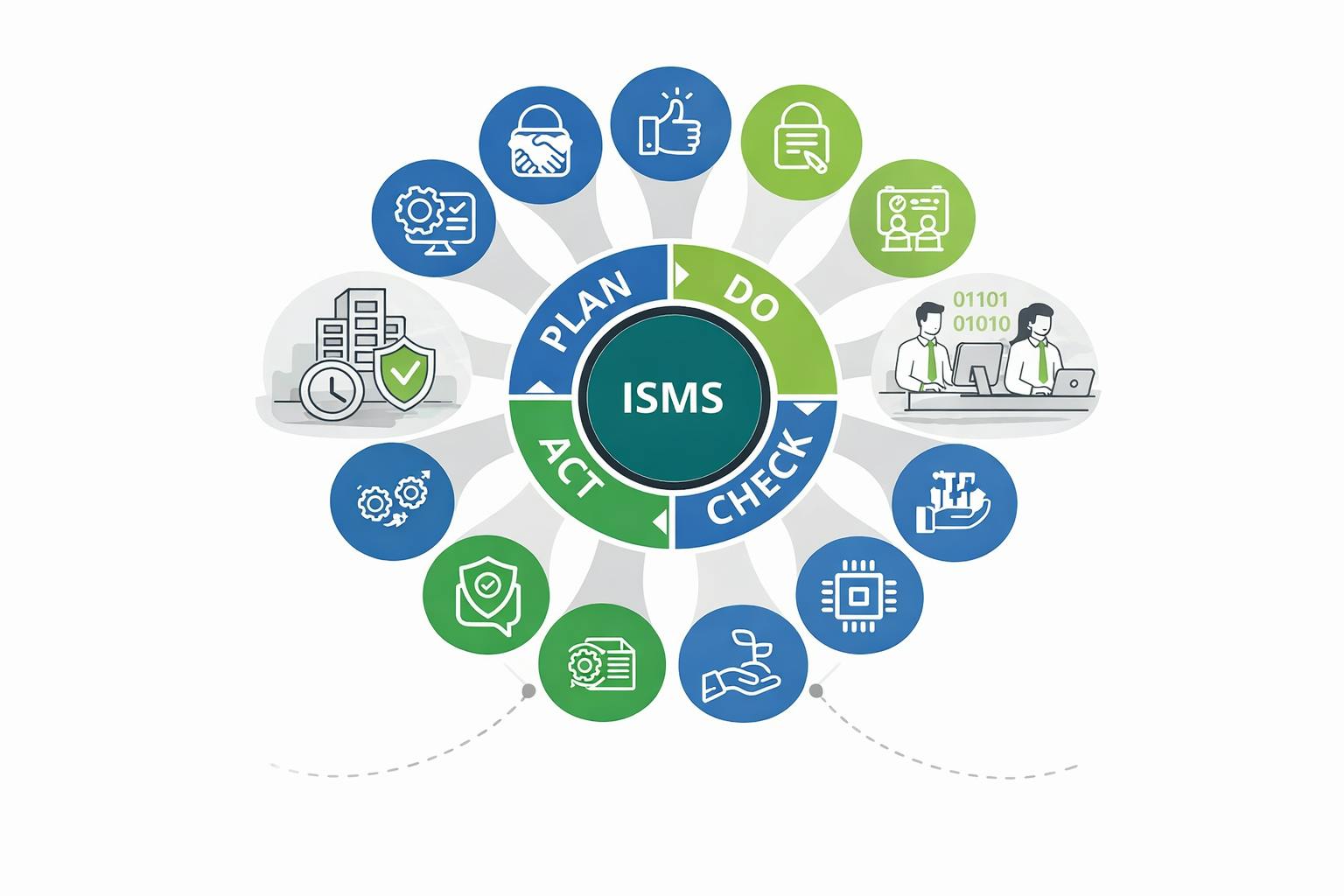
ISO 27001 is an international standard that defines how to build, operate, monitor, review, maintain, and continually improve an Information Security Management System. At its core, ISO 27001 focuses on governance, risk management, and structured improvement. And yes, organizations can become formally certified.
But ISO 27001 is not a one-time checklist.
It requires ongoing internal audits, regular management reviews, documented risk assessments, and continuous improvement. Security is treated as a living system, not a project with an end date.
In other words, ISO 27001 is less about passing an audit and more about building a repeatable, defensible security program that evolves with your business.
Who ISO 27001 Is Best For
ISO 27001 is especially well-suited for organizations that need structured governance, audit defensibility, and global credibility.
It is a strong fit for:
Manufacturing firms and industrial companies
Manufacturers, distributors, and food processing companies that:
- Manage sensitive supplier and customer data
- Rely heavily on ERP and production systems
- Work with international partners
- Need stronger operational resilience against ransomware
- Must demonstrate security maturity to enterprise buyers
For manufacturing organizations in particular, ISO 27001 provides a governance layer that connects IT, operational technology, vendor risk, and executive oversight. It formalizes risk ownership and strengthens supply chain trust, which is increasingly critical in Southern California’s manufacturing and distribution sectors.
SaaS and technology companies
Organizations handling customer data at scale and selling into enterprise markets.
Professional services firms
Accounting, legal, consulting, and advisory firms must demonstrate mature information security practices to clients.
Organizations selling to enterprise or international customers
Companies are facing security questionnaires, third-party risk assessments, or global contract requirements.
Pros and Cons of ISO 27001
Pros
- Globally recognized credibility
- Strong governance and accountability
- Signals maturity to customers and insurers
Cons
- Higher upfront cost
- Documentation-heavy
- Requires annual surveillance audits
NIST Explained (CSF vs 800-171 vs 800-53)
Why “NIST” Isn’t Just One Framework
NIST isn’t a single standard.
- NIST CSF: Strong and adaptable risk management framework
- NIST SP 800, 171: Security measures to safeguard Controlled Unclassified Information
- NIST SP 800, 53: Comprehensive control list for federal systems
NIST CSF vs NIST 800-171

Who NIST Is Best For
- SMBs needing flexibility
- Regulated industries
- Organizations early in security maturity
CMMC Explained
What CMMC Is and Why It Exists
Cybersecurity Maturity Model Certification (CMMC) serves as a U.S. Department of Defence (DoD) program aimed at verifying that cybersecurity measures are not only implemented but also maintained throughout the organization's supply chain with the DoD. CMMC draws heavily from NIST 800, 171 but also goes a step further by requiring a third-party assessment.
CMMC Levels
- Level 1: Basic Cyber Hygiene
- Level 2: Complete NIST 800, 171 Alignment
Who Must Comply with CMMC
- Defense contractors
- Subcontractors handling Controlled Unclassified Information
If you touch DoD data, this isn’t optional.
ISO 27001 vs NIST vs CMMC: Key Differences That Matter
Certification vs Guidance
ISO 27001 and CMMC require audits. NIST does not. That difference impacts cost, timelines, and internal effort.
Cost, Time, and Audit Burden
ISO 27001 typically takes 6–12 months. NIST can be phased in. CMMC timing depends on contract deadlines.
Customer and Regulatory Pressure
Enterprise buyers often expect ISO 27001. U.S. regulators reference NIST. The DoD mandates CMMC.
How to Choose the Right Framework for Your Business
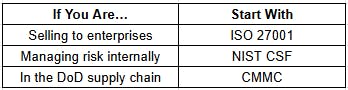
Is it possible to combine the ISO 27001, NIST, and CMMC standards?
Absolutely. There are many companies that use ISO 27001 for overall management, NIST for detailed controls, and CMMC for contractual obligations. The key here is not do the same work twice.
Common Mistakes Businesses Make
- Choosing based on buzzwords
- Underestimating audit effort
- Ignoring customer contract language
Final Thought
The right framework isn’t about checking a box. It’s about aligning security with business reality. The smartest organizations choose frameworks that reduce risk, support growth, and stand up under scrutiny.