Why Your Last IT Provider Failed You (And How to Fix It)
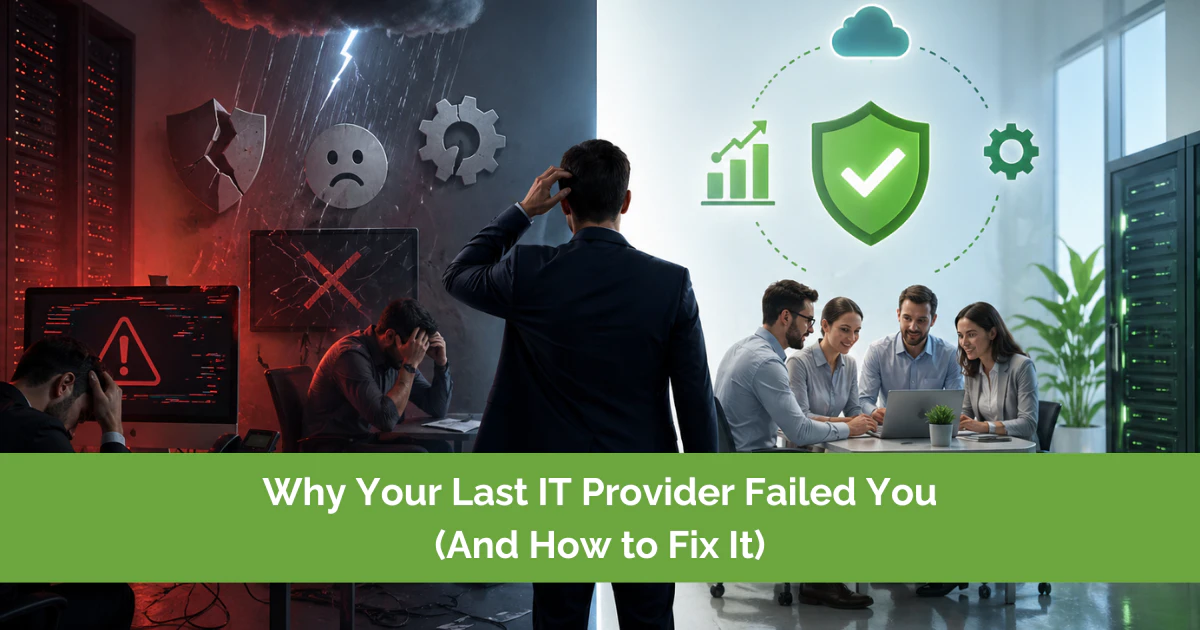
This is why most IT companies end up failing because of the reactive, ill-fitting, and irresponsible service model they employ.
Table of Contents
Do you think that your organization is slow, unreliable, and uncoordinated in its IT support? It’s not the delivery, but the approach that needs changing.
The solution: adopt a proactive, security-focused, co-managed IT system that can help boost your internal operations.
Why IT Providers Fail (The Real Reasons Most Businesses Miss)
IT service providers will be unable to provide effective services if their operations depend on a reactive, ill-prepared, and misaligned business risk strategy that causes problems and delays.
Why IT Providers Fail (Root Cause Breakdown)
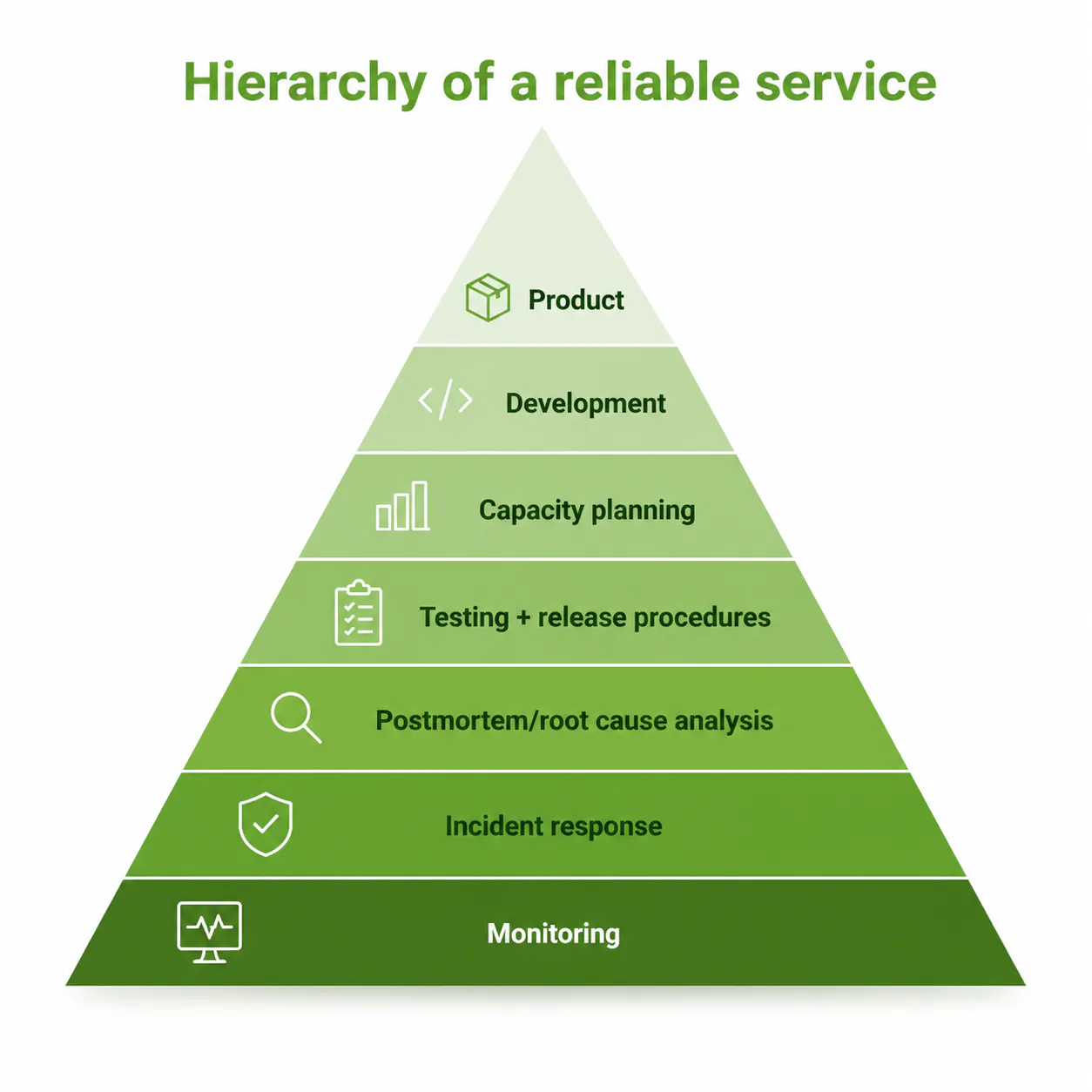
What it shows: The chain from expectations → delivery model → staffing → outcomes
Placement: After this section intro
Why it builds trust: Moves beyond generic complaints into a systems-level explanation
1. Misaligned Expectations From Day One
Most businesses expect:
- Full ownership of IT
- Strategic guidance
- Proactive prevention
Most MSP contracts actually deliver:
- Ticket-based support
- Limited scope
- Undefined outcomes
Operator insight: This is where failure starts. If expectations aren’t defined in operational terms (response times, ownership, risk scope), everything downstream breaks.
2. Reactive Support Instead of Proactive Management
Many providers still operate as:
- Helpdesk-first
- Ticket-driven
- Issue responders
But modern environments require:
- Continuous monitoring
- Threat detection
- Preventive maintenance
Frameworks from the National Institute of Standards and Technology emphasize continuous risk management, not reactive fixes.
What goes wrong in practice:
- Alerts aren’t tuned
- Monitoring is shallow
- Issues are discovered by users—not systems
3. Slow Response Times That Impact Business Operations
When IT support isn’t responsive:
- Work stops
- Revenue is delayed
- Customer experience degrades
According to the figures provided by Statista (2024, global), downtime can be expensive, ranging from a few hundred dollars to thousands of dollars per minute based on the size of the company.
Limitation: Estimates vary significantly by industry and scale.
4. Lack of Strategic IT Leadership (No vCIO / vCISO)
Most MSPs don’t provide:
- IT roadmaps
- Risk prioritization
- Compliance alignment
Without strategy:
- IT becomes reactive
- Security gaps accumulate
- Costs spike unpredictably
5. Overworked Teams and Talent Shortages
According to the U.S. Bureau of Labor Statistics (2023–2033 outlook, U.S.), IT roles continue to grow faster than average, creating sustained talent pressure.
What this means operationally:
- Engineers handle too many clients
- Tickets queue up
- Quality drops
Signs of a Bad MSP (Checklist)
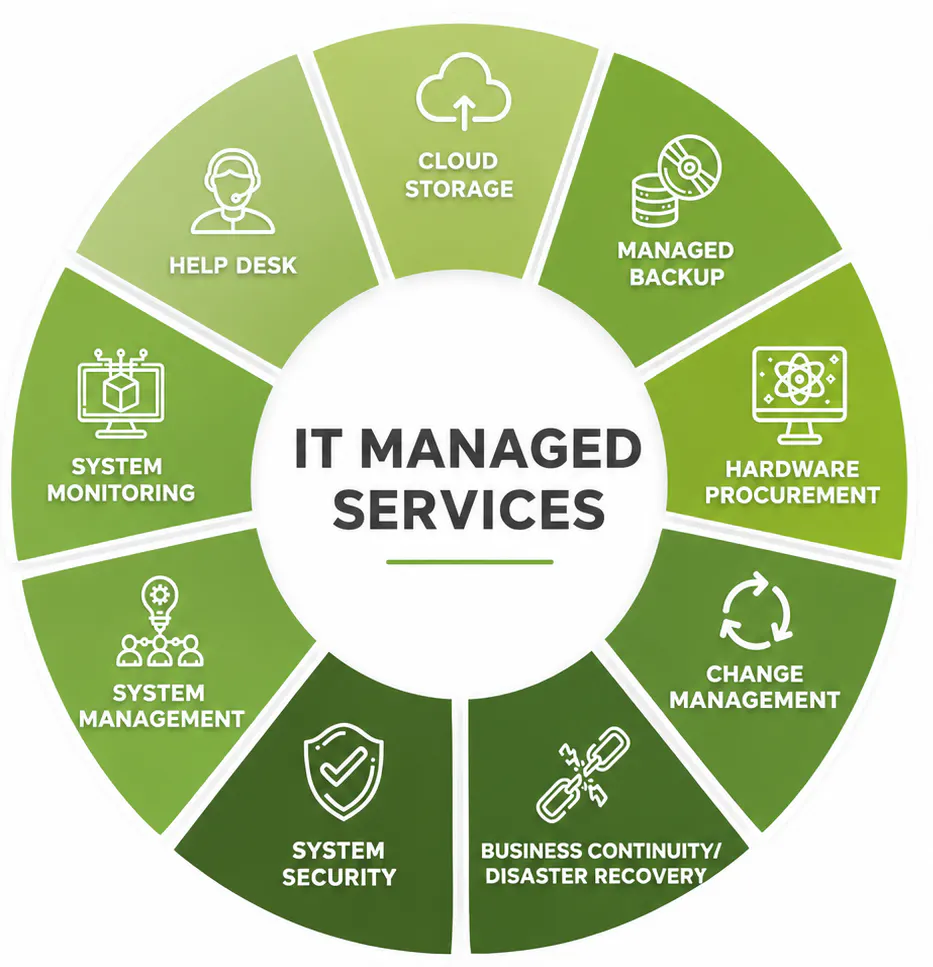
What it shows: Scannable checklist of failure indicators
Placement: Immediately after this section
Why it builds trust: Makes abstract issues concrete and easy to validate
The Hidden Cost of a Bad IT Provider
A failing MSP doesn’t just create frustration. It creates measurable business risk.
Operational Impact
- Downtime reduces productivity
- Employees lose trust in systems
Financial Impact
- Unexpected IT costs
- Revenue loss during outages
Security Risk
- Increased exposure to ransomware
- Delayed detection and response
The IBM Cost of a Data Breach Report (2024, global) shows that the average breach cost exceeds $4 million.
Limitation: Large enterprise data skews averages upward.
Reactive vs Proactive IT (Why Most MSPs Fall Short)
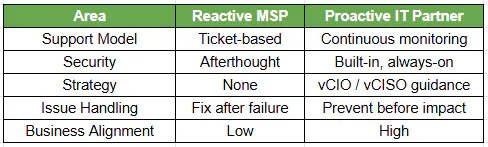
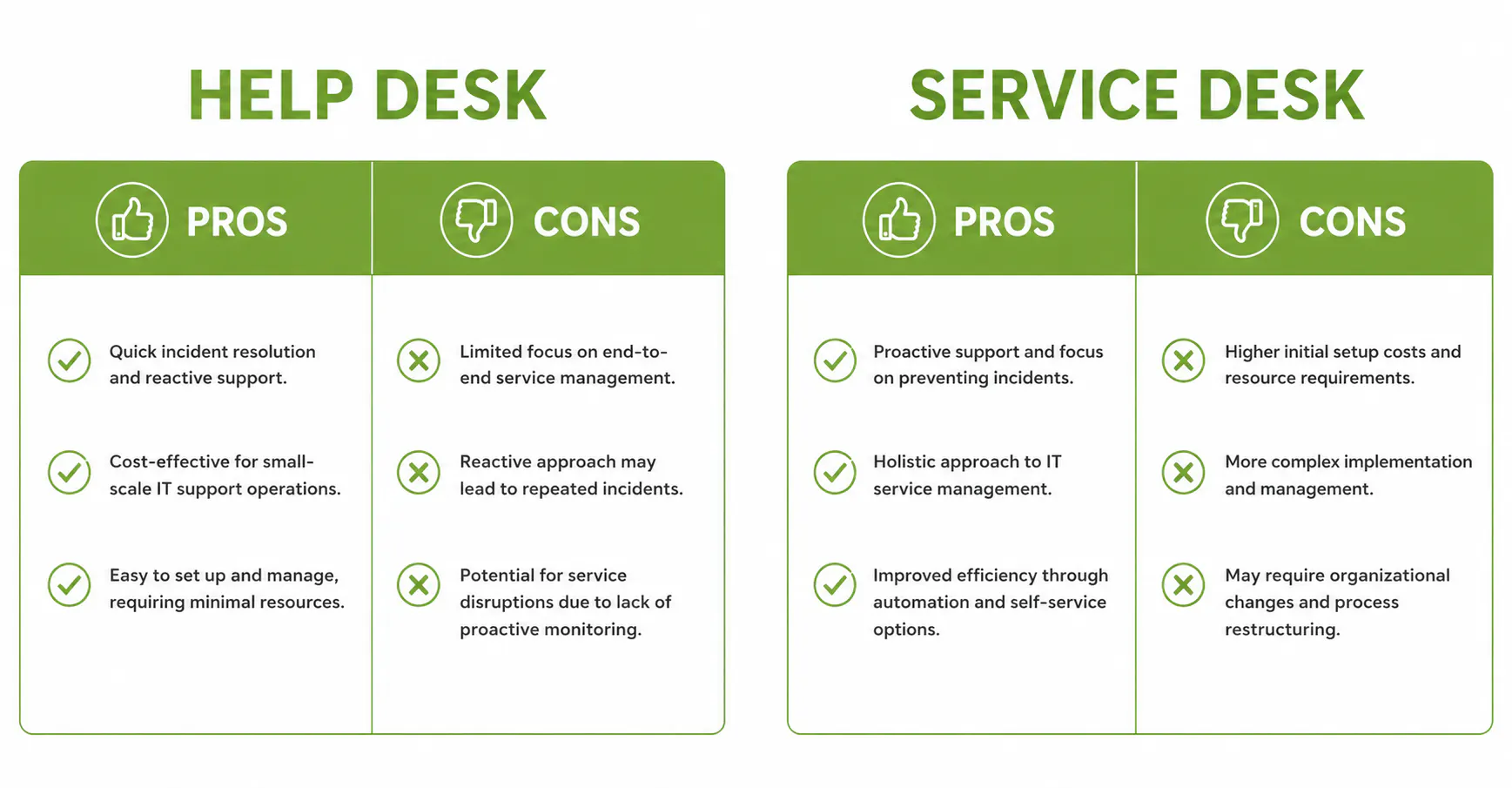
What it shows: Side-by-side comparison of service models
Placement: After the table
Why it builds trust: Clearly demonstrates why most providers fail.
MSP vs Internal IT vs Co-Managed IT

IT Support Model Comparison
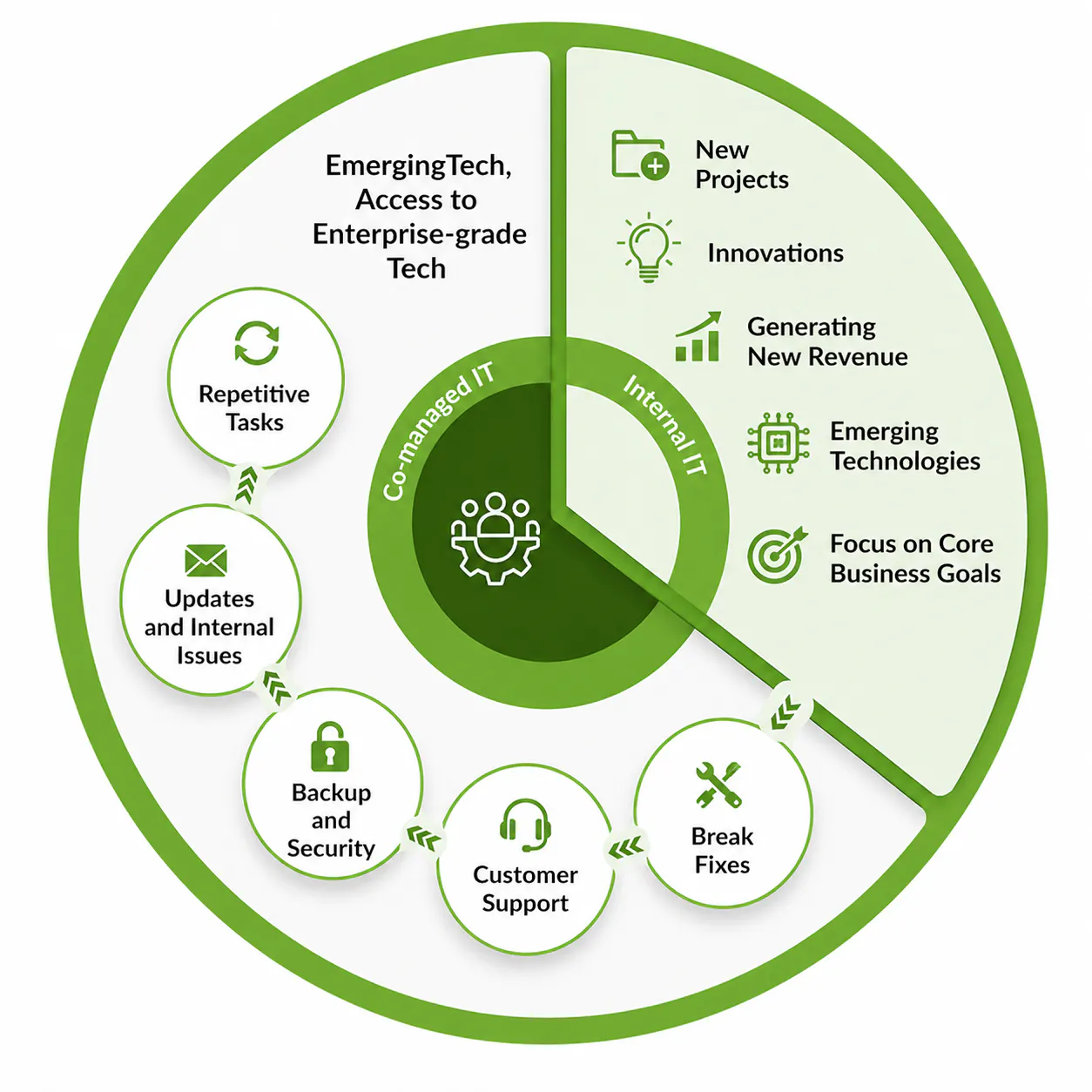
What it shows: Structural differences between models
Placement: After the table
Why it builds trust: Reinforces why co-managed is the modern approach
How to Fix It: What a Modern IT Partner Should Actually Deliver
Security-First Approach
- Continuous monitoring
- Threat detection
- Risk reduction aligned to Cybersecurity and Infrastructure Security Agency guidance
Proactive Monitoring + Prevention
- Identify issues before users feel them
- Reduce downtime and disruption
Strategic Leadership (vCIO / vCISO)
- IT roadmap tied to business goals
- Compliance readiness (NIST, CMMC)
- Budget predictability
Clear SLAs and Accountability
- Defined response times
- Transparent reporting
- Measurable outcomes
Support for Internal IT (Co-Managed Model)
- Reduce team overload
- Extend capabilities
- Provide specialized expertise
Consilien perspective: Most companies don’t need to replace IT. They need to stabilize and scale it. That’s where co-managed IT works.
Switching IT Providers Checklist
- Audit your current IT environment
- Secure admin credentials and access
- Review contracts and termination terms
- Identify risk gaps and dependencies
- Define success criteria
- Plan transition phases
- Ensure full documentation transfer
Switching IT Providers Process
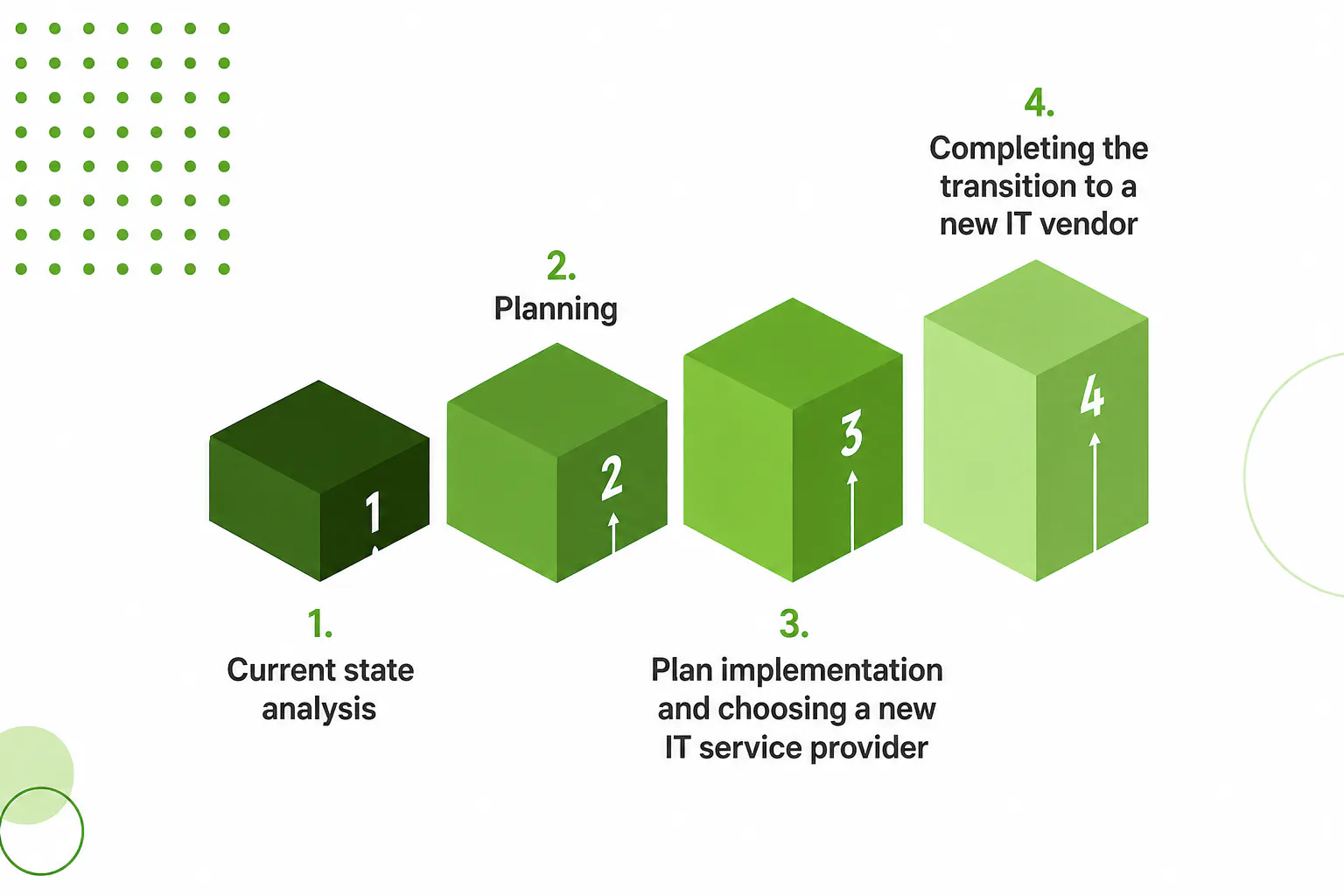
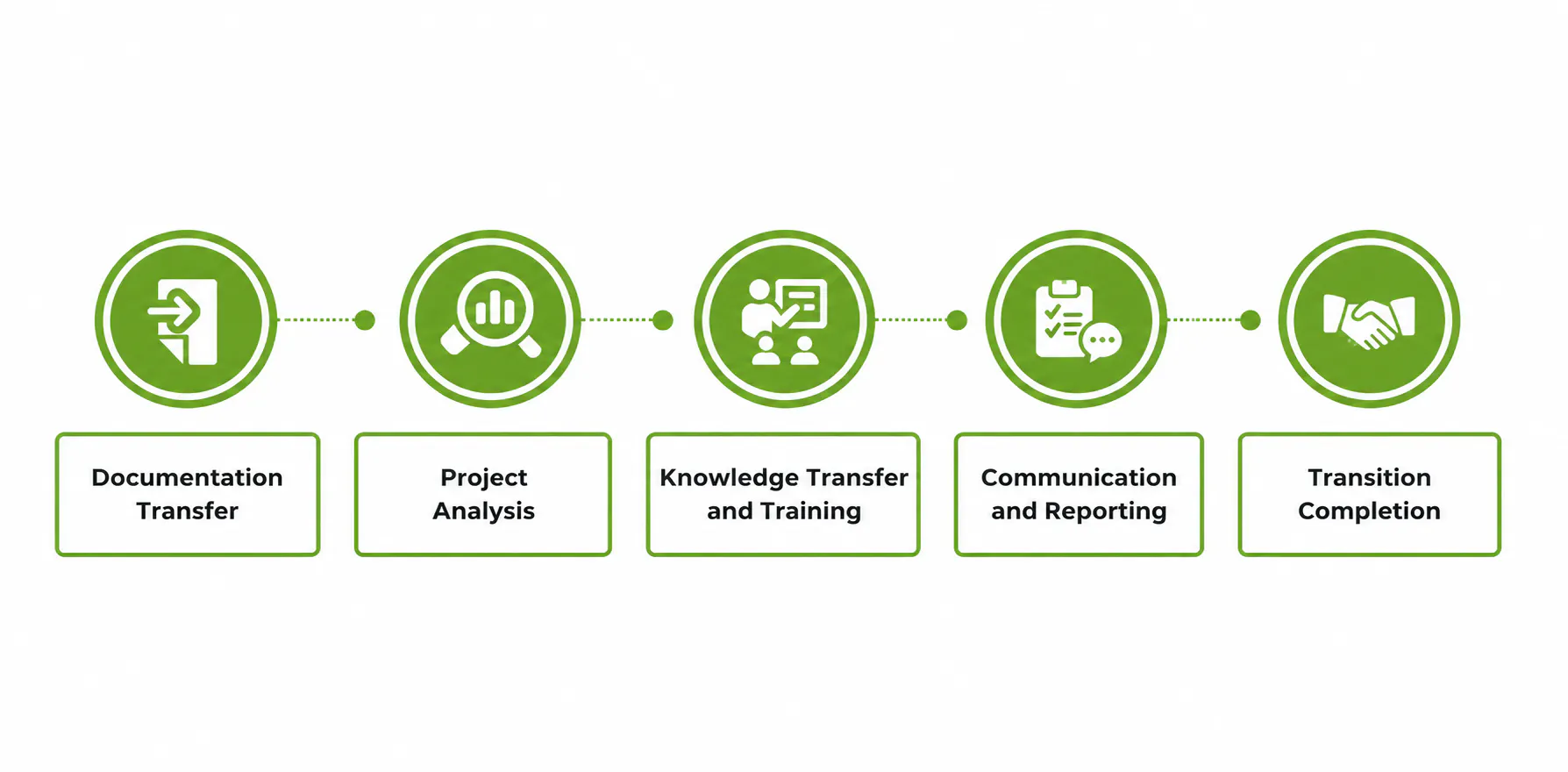
What it shows: Step-by-step transition process
Placement: After the checklist
Why it builds trust: Reduces perceived risk of switching
How to Choose the Right MSP
Focus on outcomes, not promises.
Look for:
- Proactive service delivery
- Security is integrated at every layer
- Strategic leadership (vCIO / vCISO)
- Clear SLAs and reporting
- Ability to support internal IT
Avoid:
- Vague “unlimited support” claims
- No defined response times
- One-size-fits-all service models