Technology Roadmap Consulting That Gets Executed, Not Filed

A sequenced technology plan tied to your budget, owned by someone who's still there when it's time to build it.

Technology roadmap consulting maps a company's current systems against its business goals and sequences what to fix, replace, or build next, usually across 12 to 36 months. A consultant assesses where things stand, prioritizes what breaks first, and assigns a budget range and a decision date to each initiative. At Consilien, the same team that builds the roadmap also runs it. That last part is the whole argument. A plan nobody executes is just a document.

Where's Your Technology Headed in 18 Months?

Who decided that? Is it written down anywhere a board member or an auditor could actually read it?

Nobody in the room can answer all three with a straight face. Not because nobody's paying attention. Because the technology got bought one decision at a time. A file server here. A cloud app someone in accounting signed up for during a free trial. A firewall added after a scare, then never tuned again. None of it was a mistake in isolation. Give it three years and you're running an environment nobody designed on purpose, nobody documented along the way, and nobody can honestly defend if a customer's security questionnaire lands on your desk Monday morning asking for a plan you don't have. Not a hypothetical. It happens on a Tuesday just as often.

That's the gap technology roadmap consulting fills. Not another tool. A sequenced plan, owned by a named person, that survives contact with your next fiscal year.
Consilien builds that plan and, for clients who want it, stays on to run it. We're an IT consulting partner for companies between 20 and 1,000-plus users nationwide, and the roadmap is the piece of that work people ask about most, because it's usually the piece that's been missing the longest.
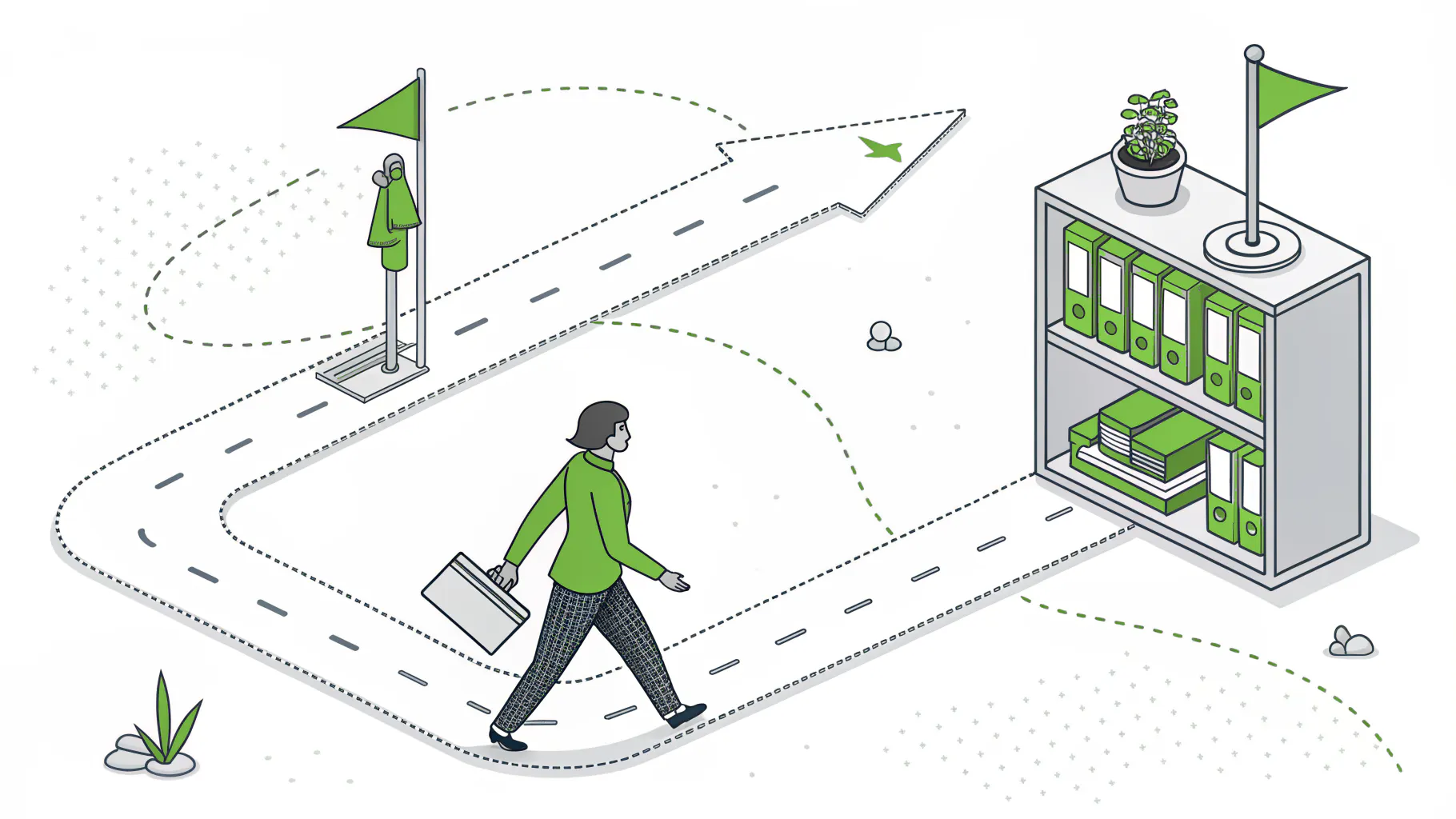
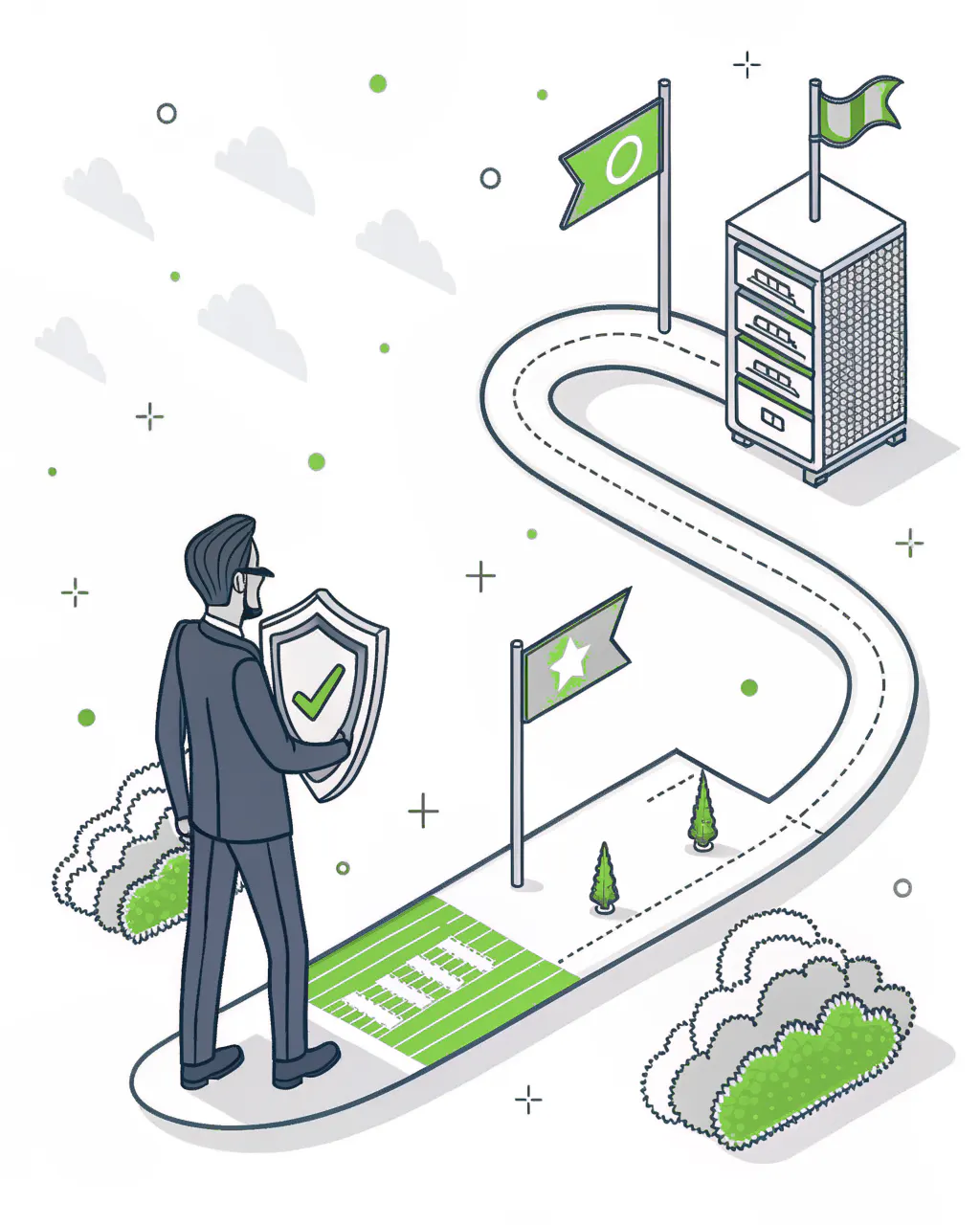
What Is Technology Roadmap Consulting?

Technology roadmap consulting is the practice of assessing a company's current systems, sequencing what needs to change against business goals and budget cycles, and assigning ownership so the plan survives contact with an actual fiscal year. It's not a one-time audit, and it's not a vague five-year vision statement either. Just a working document that gets revisited on a schedule.

Most Roadmaps Are Built by One Company and Executed by Another

Ask around and you'll hear the same split described by firms that do this work themselves. Consulting is one business. Delivery is another. Different teams, different incentives. A pure consultancy sells you a methodology and a deliverable, then the engagement ends on schedule and the invoice clears.

Here's what happens next, more often than anyone likes to admit. The roadmap goes into a shared drive. Six months pass. Somebody opens it during budget season, nods at the priorities, and closes it again, because executing any item on it requires a team, a project manager, and a budget line the original engagement never included.

One thing we see a lot. Companies think they bought a strategy. They bought a document. The plan was never the hard part. Running it was.
Consilien doesn't split those two jobs across two vendors. The vCIO who builds your roadmap, a fractional technology executive assigned to your account, works next to the engineers who implement it and the analysts who monitor what gets deployed. Not a philosophy. An org chart. The person who set the direction is still in the room on the day something doesn't go to plan.

We have a bias here worth naming. We sell this. But 16-year client relationships aren't something a sales pitch manufactures on its own.

What Shows Up in a Technology Roadmap Consulting Engagement

A finished roadmap at Consilien usually includes:

  • A current-state assessment covering systems, security posture, contracts, and licensing, because assumptions about what's actually running are wrong more often than you'd expect
  • A prioritized initiative list, each one tied to a business reason, an owner, a rough budget range, and a decision date, sequenced so the items competing for the same quarter's cash and the same engineers' hours don't get scheduled on top of each other by accident
  • A phased sequence across 12 to 36 months, built so capital-heavy items and quick wins don't compete for the same quarter
  • A CIMS score. CIMS is Consilien's internal maturity standard, measuring your environment against a target state across security, performance, compliance, governance, and resilience
  • A named point of contact who owns the plan after the kickoff meeting ends

Gartner's own peer research backs up why the "review it once and file it" model breaks down. A Gartner Peer Community poll of IT leaders found 62% evaluate their IT budget quarterly rather than annually. A roadmap built for a once-a-year glance doesn't match how the money actually moves.

Why Most Roadmaps Die in a Shared Folder

Say the quiet part. Out loud, even. A roadmap fails for one of three reasons, and none of them is that the plan was wrong.

A roadmap that gets executed next to a plan left sitting in a folder

Numbers back this up. A Block 64 survey of 250 midsized enterprise IT leaders found organizations are losing significant portions of their IT budgets to exactly this kind of drift. Citing Gartner, the report puts the average loss at roughly 25% of SaaS spend, lost to unused entitlements and overlapping tools nobody rationalized against a plan. That's not a rounding error at most company sizes. That's a headcount.

How the Roadmap Stays Alive After Year One

This is where it actually gets more interesting than most sales pages admit.

Think of it as living, not archived. A roadmap isn't a deliverable you hand over once. At Consilien it's scored every quarter against CIMS, our internal maturity standard, so you can see whether the gap between where you are and where you said you'd be is closing or widening. Not a static PDF. A running scorecard your vCIO brings to a recurring planning meeting.

Growing, merging, opening a new location, or crossing from 500 users into 1,000-plus changes the sequencing. Every time. We rebuild the priority order when that happens instead of pretending the original plan still fits.

Leadership usually asks the same handful of questions around this point. Who's actually watching whether we're on track? What happens if priorities shift halfway through the year? Does anyone tell us when the plan stops matching reality? Fair questions, all three. Those questions are the reason CIMS scoring exists in the first place, and why the scoring happens quarterly instead of once a year whenever someone finally remembers to open the folder and check.

Who Actually Needs This, Versus a One-Time Assessment

Short version. If you need a snapshot of where you stand right now, that's an IT assessment, and it's usually the first thing inside a larger engagement anyway. If you need an ongoing plan that gets revisited as budgets, headcount, and compliance obligations shift, that's roadmap consulting.

A few patterns worth naming plainly:

Companies facing CMMC, NIST, SOC 2, or PCI obligations almost always need the ongoing version, because compliance deadlines don't sit still and neither should the plan built around them.

Adding a location, merging with another company, or doubling headcount inside 18 months usually means the roadmap needs to be built before the growth event hits, not scrambled together after the fact once the pressure's already on. Retrofitting a plan onto a mess costs more than sequencing it up front.

Already have a CIO and a functioning internal leadership team? Probably just need hands, not direction. That's a staffing conversation, not a roadmap engagement.

Business leader reviewing a sequenced technology roadmap with milestones

Two Ways to Start

Project-based roadmapOngoing roadmap management
What you getA finished, sequenced plan with owners and budget rangesThe plan plus quarterly CIMS scoring and a standing vCIO relationship
Best forCompanies that want a document to guide internal executionCompanies that want Consilien accountable for keeping the plan current
Typical durationA defined engagement, roughly 6 to 8 weeks from kickoff to solution presentationContinuous, reviewed quarterly, adjusted as headcount or obligations change
Who executes itYour internal team, using the roadmap as a guideConsilien's engineers and security team, alongside your internal staff where you have one

Pick one to start. Switch later if you want to. Most clients start with the project-based version and roll into ongoing management once they see what staying current actually takes. Nothing locks you into the second option. The roadmap works as a standalone deliverable too.

16 years.

Hixson Metal Finishing, a metal finishing manufacturer serving DoD and commercial aerospace clients, has been a Consilien client since January 2010, spanning infrastructure, help desk, and strategic advisement the entire time.

16 years, same number.

Interactive Health came aboard in August 2010 and has stayed through compliance work, managed IT, and cybersecurity, one more client that's had roughly sixteen separate chances to walk and hasn't.

99%.

Customer satisfaction rate, referenced across Consilien's public review profiles. Not a coincidence. Not given the first two numbers.

62%.

The share of IT leaders in Gartner's own peer poll who review budgets quarterly, which is the cadence CIMS scoring is built around, not the annual glance most roadmap engagements assume.

How the Engagement Actually Starts

No six-week discovery invoice before anyone sees a plan. Six steps, and the time each one takes is published because prospects ask.

1

Discovery Session, 20 to 30 minutes.

What's broken, what's coming, whether this is even a fit.

2

Strategy Session, 45 minutes.

Business goals first. Technology second. In that order, on purpose.

3

Technology Assessment, 2 to 4 hours.

Engineers in your environment documenting what's actually running, not what the last provider's notes say is running.

4

Solution Presentation, 75 minutes.

Findings, sequenced roadmap, priorities, and costs, delivered in business language, not a slide full of acronyms.

5

Q and A, a separate 60-minute hour.

Booked in advance, so the hard questions don't get squeezed into the last ten minutes of a pitch.

6

Kickoff, 60 minutes.

Scope, owners, dates. The roadmap becomes a working document starting here, not a PDF that goes quiet.

Questions Worth Asking Before You Commit

Our Clients' Success

Is this just an expensive PDF we'll never open again?


Fair worry. A common one. Most roadmaps built by a pure consultancy do end up exactly like that. Consilien's roadmap gets scored against CIMS every quarter, and the vCIO who built it stays assigned to your account. It's a working document because someone's job depends on it staying current, not because we promise it will.

What It Costs to Keep Putting This Off

Decisions are still getting made every week you don't have a sequenced plan. Just not by anyone looking at the whole picture. An audit lands on a date you didn't pick. A key hire gives notice and takes the undocumented knowledge of how three systems actually connect with them. A customer's security questionnaire asks for a roadmap you don't have, on a deadline set by their procurement team, not yours. That's the tax on drifting.

If you're ready to stop finding out about your technology gaps from someone else's timeline, talk to a vCIO.